Source Injection Molded Plastic Toy Balls for Racing, Gifts, and Entertainment
Compare 30 injection molded plastic toy balls from verified suppliers. Buyers can evaluate custom designs, materials like PVC and EPDM, and certifications including ISO and RoHS for racing, gifts, and entertainment applications; compare the available evidence and request quotations based on your requirements.
Key considerations
Products List


$205.00 - $223.00
Moq: 1


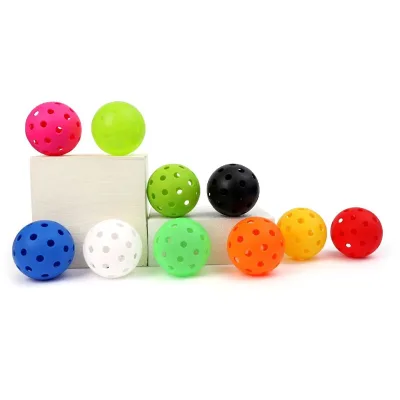


Comprehensive Sourcing Guide
Injection Molded Plastic Toy Balls Sourcing Guide
Procurement teams must first distinguish between general plastic components and specialized toy balls, as the supplied data reveals a diverse product range including racing balls, footballs, and custom-made industrial components. While the core keyword focuses on toys, the observed listings indicate that many suppliers offer versatile items suitable for racing, entertainment, and gift applications, often featuring specific materials like PVC or EPDM. Buyers should verify that the specific item intended for children's play is explicitly categorized as a toy rather than an industrial seal or automotive part, ensuring the product aligns with safety expectations for recreational use.
The observed market signals show a wide variance in weight and dimensions, with some footballs ranging from 280 to 300 grams and circumferences between 680 and 700 millimeters, while other items like O-rings serve entirely different mechanical functions. This diversity necessitates a rigorous filtering process where buyers confirm the exact model number, such as Xy-Sm-002 or Protech-042, to ensure the physical attributes match the intended application. Misidentifying a heavy-duty industrial component as a lightweight toy ball can lead to significant safety hazards and product rejection, making precise model verification the first critical step in the sourcing workflow.
Product Scope and Observed Listing Signals
Buyers should analyze the specific usage categories listed in supplier catalogs to ensure the product fits the intended market segment, as the data includes applications ranging from racing and entertainment to office gifts and industrial machinery. The presence of items labeled as "Custom Made Ball" or "Football" suggests that suppliers often provide OEM or ODM design services, allowing for significant customization in color, logo embossing, and surface finish. However, procurement teams must carefully separate these recreational items from technical components like EPDM O-rings, which, while made of similar polymers, are designed for sealing and mechanical tolerance rather than play.
The observed listing signals also highlight the importance of packaging and capacity, with some suppliers offering inner PP bags and carton boxes while others list a monthly capacity of 300,000 pieces. This variation in production scale and packaging standards directly impacts the logistics strategy and inventory management for the buyer. When sourcing injection molded balls, it is essential to confirm whether the supplier can handle the specific volume required without compromising the quality of the inner packaging, which protects the product during transit and maintains its aesthetic appeal for retail display.
Technical Specifications to Verify
Technical verification must begin with the material composition, as the data indicates the use of PVC for certain toy applications and EPDM for sealing components, each offering distinct durability and flexibility profiles. Buyers need to confirm that the material selected for the toy ball meets the necessary flexibility and impact resistance standards, ensuring it can withstand repeated use without cracking or deforming. The observed weight ranges, such as 280-300 grams for footballs, serve as a critical benchmark for quality control, requiring suppliers to maintain strict consistency in molding processes to prevent weight deviations that could affect the product's performance.
Surface finish and dimensional tolerance are equally critical, with suppliers offering options like matte, smooth, or chromate plating finishes alongside international standard tolerances. For toy balls, the surface texture must be smooth to prevent injury, while the circumference and size must adhere to specific standards, such as the Size 5 standard observed in the data. Procurement teams should request detailed technical drawings and sample inspections to verify that the injection molding process consistently produces parts within the specified tolerance ranges, ensuring that every unit meets the functional requirements of the final application.
Compliance and Safety Documentation
Safety compliance is paramount when sourcing plastic toys, and buyers must verify that the products meet relevant international standards such as EN71, which is explicitly referenced in the observed data for testing purposes. The data mentions specific testing protocols like EN71 6p, indicating that suppliers should provide third-party test reports confirming the absence of harmful substances and ensuring the product is safe for children. Without these documented test results, the risk of regulatory non-compliance and potential product recalls increases significantly, making the verification of safety certifications a non-negotiable step in the procurement process.
In addition to toy-specific standards, buyers should also check for broader environmental and material safety certifications like RoHS, REACH, and FDA, which are listed in the supplier data. These certifications ensure that the materials used in the injection molding process do not contain restricted hazardous substances and are safe for human contact. Procurement teams must request valid, up-to-date certificates from the supplier and cross-reference them with the specific batch numbers of the products being ordered to guarantee that the compliance status applies to the actual goods delivered rather than just a general company claim.
Cost Drivers and Commercial Terms
Cost structures for injection molded plastic balls are heavily influenced by the complexity of the mold design, the volume of the order, and the specific material requirements such as PVC or EPDM. The observed data indicates a minimum order quantity (MOQ) of 500 pieces for certain items, which suggests that unit costs will decrease significantly as order volumes increase, but buyers must balance this against their inventory holding costs. Understanding the relationship between the MOQ and the unit price is essential for negotiating favorable terms, as suppliers may offer different pricing tiers based on the total annual volume or the frequency of repeat orders.
Lead times and payment terms also play a crucial role in the overall cost of procurement, with the data showing a standard lead time of 15 days for production. Buyers should clarify whether this lead time includes mold creation for custom designs or if it applies only to existing stock items, as custom tooling can extend the timeline significantly. Additionally, the packaging requirements, such as the use of inner PP bags and pallets, can add to the shipping weight and cost, so procurement teams must factor these logistical expenses into their total landed cost calculations before finalizing the purchase agreement.
Supplier Qualification and Quality Control
Supplier qualification requires a thorough assessment of their manufacturing capabilities, including their capacity to produce 300,000 pieces monthly and their ability to maintain consistent quality across large batches. The data highlights that suppliers offer customization options like embossed or debossed logos, which necessitates a robust quality control process to ensure that these custom features are applied accurately without damaging the product. Buyers should request a detailed quality assurance plan that outlines how the supplier inspects raw materials, monitors the injection molding process, and conducts final product checks before shipment.
Quality control protocols must also address the specific physical attributes of the product, such as the weight, circumference, and surface finish, to ensure they match the agreed-upon specifications. The observed data mentions various finishes like matte and smooth, which can affect the tactile experience and safety of the toy ball. Procurement teams should implement a sampling strategy that includes random checks of the finished goods to verify that the surface texture is uniform and that the product dimensions remain within the specified tolerance ranges, thereby minimizing the risk of receiving substandard inventory.
Long-Term Procurement Checks
Establishing a long-term procurement relationship involves regular audits of the supplier's production lines and quality management systems to ensure ongoing compliance with safety and performance standards. Buyers should schedule periodic reviews to verify that the supplier continues to meet the required certifications, such as ISO and RoHS, and that their production processes have not drifted from the established quality benchmarks. This proactive approach helps identify potential issues early, allowing for corrective actions before they impact the supply chain or result in product failures in the market.
Continuous monitoring of market trends and material costs is also essential for maintaining a competitive advantage in the long term. As the data shows, suppliers often offer customization and design services, which means the product landscape can evolve rapidly with new materials or designs. Procurement teams should maintain open communication with suppliers to stay informed about potential material substitutions or process improvements that could enhance product quality or reduce costs. By fostering a collaborative relationship, buyers can ensure a stable supply of high-quality injection molded plastic toy balls that meet the evolving needs of their customers.
FAQs
What certifications are available for these products?
Available certifications include ISO, RoHS, TS16949, REACH, and FDA. These standards ensure compliance with international safety and quality requirements for various applications ranging from medical to automotive uses.
Can I request a custom logo on the items?
Yes, customization is available with embossed or debossed logos on tooling or silk print options. Buyers can specify unique branding details to match their corporate identity or gift requirements effectively.
What is the typical lead time for orders?
The standard lead time is approximately 15 days for production and delivery. This duration allows for efficient manufacturing while accommodating specific customization requests or varying order volumes from suppliers.
Which materials are used for manufacturing these balls?
Materials include PVC and EPDM depending on the specific product type and application needs. These materials offer durability and resistance to wear, ensuring long-lasting performance in industrial or recreational settings.
What is the minimum order quantity for purchase?
The minimum order quantity varies but can start as low as 500 pieces for specific models. Buyers should verify exact MOQ requirements with suppliers based on the selected product model and customization level.
Where are these products manufactured and shipped from?
Products originate from Qingdao, China, and are shipped globally from this location. This central manufacturing hub ensures consistent quality control and efficient logistics for international buyers seeking reliable supply chains.